
Review – Stravinsky Oedipus Rex – J.E. Gardiner & LSO
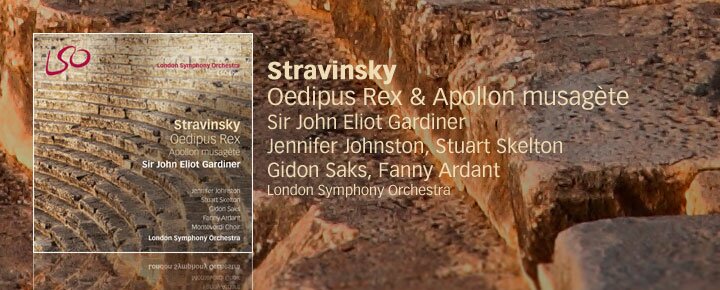
Stravinsky’s Oedipus Rex, written between 1925 and 1927 and dedicated to Serge Diaghilev, is a polyglot creation. Set to a Latin translation of an original French text by Jean Cocteau, with a narration in French, which is often given in the language of the audience, it is a free adaptation of the Greek drama by Sophocles, Oedipus the King. This is a deliberate device designed to intensify the impact of the drama; the remote language emphasising the power of the myth and Stravinsky’s neo-classical, anti-romantic music capturing the ritual in the Greek original, as well as propelling the dramatic power of the plot in which Sophocles’ eponymous anti-hero whose relentless enquiry in pursuit of the truth leads to his own destruction. The core of Sophocles’ tragedy is that it lays bear the ruthless irony inherent in a human thirst for knowledge that is so compelling that it is blind to the consequences of what that knowledge may uncover. Oedipus is metaphorically blind until finally he learns the truth, and then, seeing at last, he physically blinds himself out of horror and remorse at the tragic outcome that is revealed. The music Stravinsky writes is entirely unsentimental. With influences ranging widely from baroque oratorio to 19th century Italian opera, it pitches deliberate stylistic mismatches against one another to invoke Aristotelian terror and pity in an entirely original way. Scored for large orchestra, soloists and male chorus it can be performed in the concert hall as an oratorio, as it is here in this new recording, or fully staged as an opera.
This new recording of Oedipus Rex, released on LSO Live, was recorded live in concert last year at the Barbican in celebration of Sir John Eliot Gardiner’s 70th birthday with the LSO, a fine roster of soloists and the Gentlemen of the Monteverdi choir. Oedipus is sung by current ENO favourite Stuart Skelton, more heroic than either Vinson Cole for Esa-Pekka Salonen on Sony or Ronald Dowd for Sir Colin Davis, now on Classics for Pleasure, he copes well with the at times high lying tessitura, and sounds marked out by fate right from the outset. He misses some of the hubris that Dowd finds in the role and which makes Oedipus’ fall that much more tragic, but more than compensates with firm, ingratiating tone, and he produces some lovely sympathetic and sensitive phrasing. The Jocasta of the young English mezzo-soprano Jennifer Johnston catches all the aspects of the Queen’s changing emotions in the short space of her contribution; from the regal opening of her aria, ‘Nonn’ erubeskite, reges’, through to her bitter rejection of the oracles and her recounting, tinged with sadness, of the murder of her husband, to finally her desperate entreaties to Oedipus not to seek out the oracles. It is Anne Sophie von Otter on Sony who gives the finest performance of Jocasta on record, but Johnston is in no way embarrassed by the comparison. Gidon Saks is a reliable Creon, and David Shipley threatening in his utterances as Tiresias. The French actress Fanny Ardent gives an earthy, involved account of the spoken narration in the original French, a world away from the terribly English rendition from Sir Ralph Richardson for Davis.
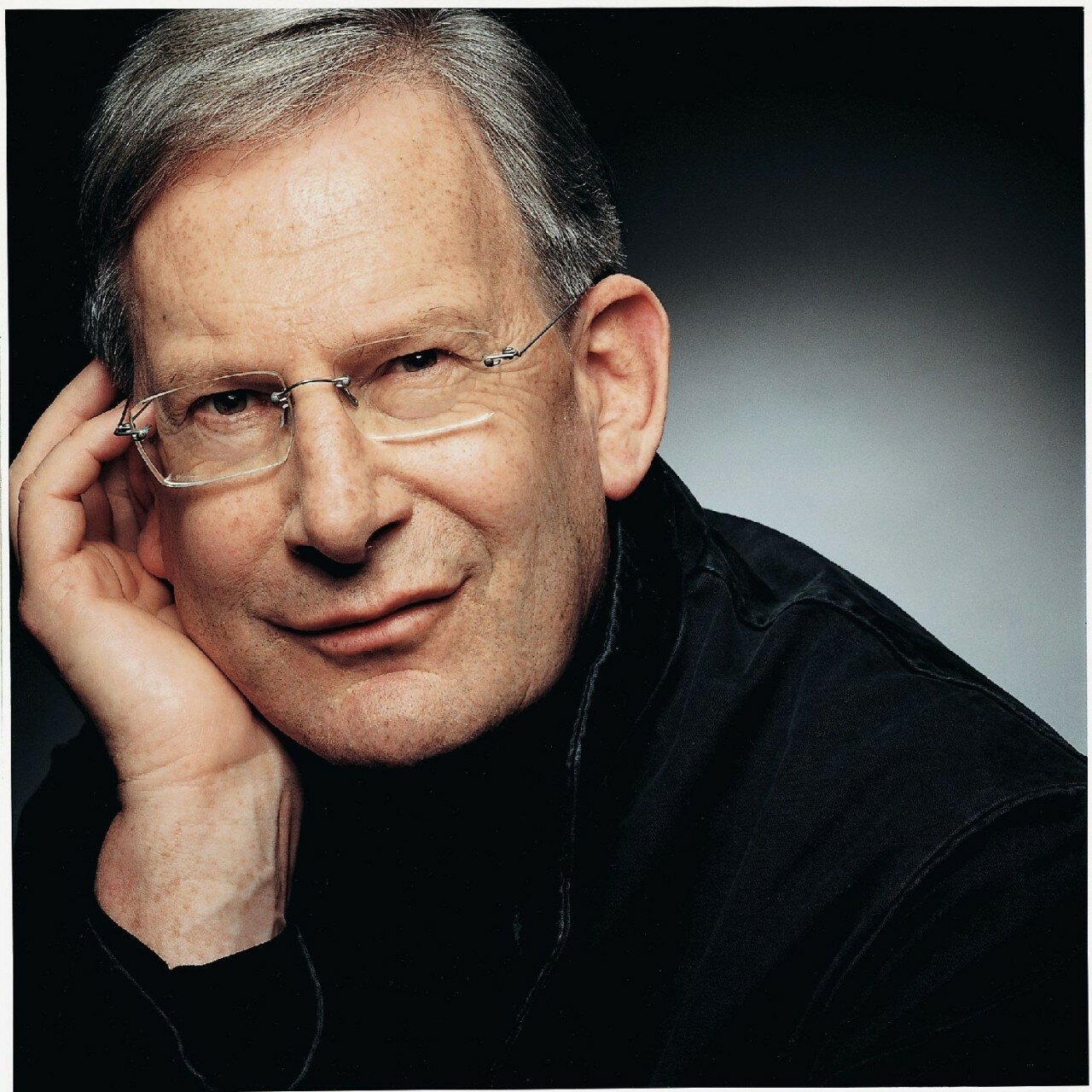
Sir John Eliot Gardiner conducts a vital and dramatic account of the score, more opera than oratorio, helped no doubt by the live occasion. The Gloria chorus, here given its repeat at the start of Act II, in Gardiner’s hands is less like scared liturgical music and more like a triumphal chorus from an Italian grand opera, and he allows the timpani thuds that underpin the opening chorus their full impact, setting the portentous atmosphere right from the start. Throughout Gardiner makes you aware that Stravinsky’s music is not just about rhythm but contains much melodic invention too. Try for example the woodwind traceries, finely played by the prominent LSO soloists, which weave around the vocal line in Joscata’s aria.
Which brings me at last to the real star of this recording – or rather I should say stars: the Gentleman of the Monteverdi choir. Their singing is incisive and disciplined, with well differentiated tenors and basses allowing the interplay between the vocal lines to emerge clearly, and their diction superb. They are real participants in the drama – no detached observers – they come right into the action, living and experiencing the horror of the tale as it unfolds along with the protagonists, and vividly communicating to us their response to it.
Of the versions that I have listened to for comparison, only the classic recording by Karel Ančerl on Supraphon with Czech forces from 1965 matches, and at times surpasses, Gardiner for visceral impact. Ančerl has a lyrical, civilised Oedipus, a terrifying Tiresias, and in Vĕra Soukupová, who was Böhm’s Erda at Bayreuth, the grandest of Jocasta’s. Only Ančerl’s choir cannot match the virtuosity of the Monteverdians.
It is common to read criticism of the Barbican as a recording venue and the difficulty in managing the dry acoustic. However, I hear nothing here that should detract from anyone’s enjoyment of this fine performance. The substantial filler, at more than 30 minutes, is the ballet Apollon musagète, given an affecting performance, and completing a generously filled disk at over 79 minutes of music. Full text and translations are provided in the accompanying booklet. To anyone coming new to Oedipus Rex, or looking for a fine modern recording in excellent sound, will not be disappointed by this new release from LSO Live. But do not ignore Karel Ančerl, who is a must hear for anyone seriously interested in Stravinsky’s masterpiece.
About Jim Bailey
